Projects by iWater
Explore the groundbreaking projects undertaken by iWater, where cutting-edge technology and innovative solutions are applied to restore and protect water and soil quality.
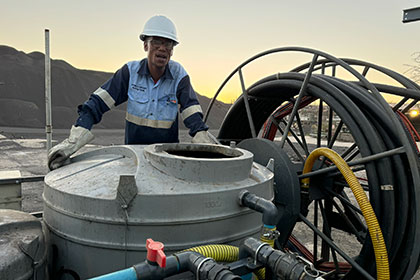
In-Situ Groundwater Bioremediation
Three successive campaigns confirm iWater’s in-situ bioremediation consistently reduces carcinogenic Cr⁶⁺ to below detection limits within one month – a proven, cost-effective solution for complex mining groundwater contamination
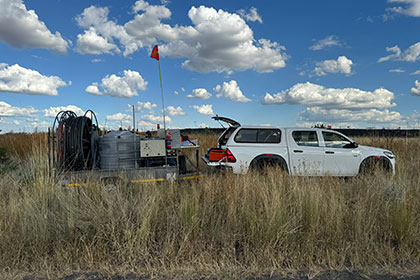
In-situ bioremediation of hexavalent chromium contaminated groundwater
A 3.5-year, four-round bioremediation programme has established a proven, repeatable model for groundwater compliance at a care-and-maintenance ferrochrome smelter with re-infiltration cycles maintaining sustained water use licence compliance.
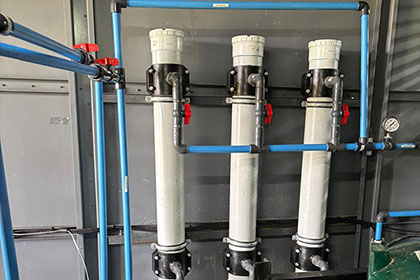
Ex-Situ Groundwater Bioremediation
A successful 10-month containerised pilot plant demonstration has validated biological sulphate reduction (BSR) as a high-efficiency alternative to chemical treatment, achieving 99% iron and 87% sulphate removal to meet strict water use licence discharge standards for acid mine drainage..

Proof of concept to treat nitrate impacted groundwater
Our client is considering biological treatment of elevated nitrate concentrations in the seepage generated from their mine tailings facility.
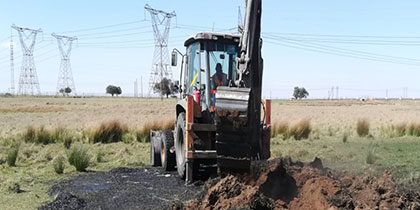
The use of biochar for the remediation of hydrocarbon contaminated soil
iWater was contracted to assist with the site assessment, remediation planning and implementation of remedial measures following a large hydrocarbon spill which impacted the soil of neighbouring farmland.

Pilot-scale demonstration for the bioremediation of nitrate contaminated water in cold climate
A mining client located in an area where the winter temperatures often drop below zero degrees contracted iWater to demonstrate the biological treatment of nitrate contaminated water from their return water dam.
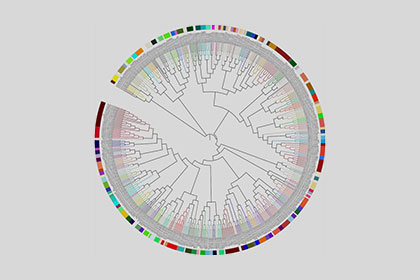
Use of microbial diversity assessments to enhance natural attenuation of petroleum hydrocarbons in groundwater
A consulting firm appointed iWater on behalf of their industrial client to establish whether the indigenous microbial soil and groundwater population have the capability of degrading the petroleum hydrocarbons present at elevated concentrations in the groundwater.